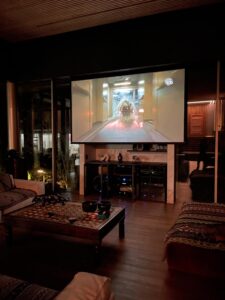
Planning smart technology in a new construction project is no longer a luxury, it’s a strategic decision that directly impacts comfort, functionality, and long-term value. However, one of the most common mistakes homeowners and developers make is treating technology as an afterthought, adding systems once the construction is nearly finished.
When smart technology is planned from the very beginning, it becomes invisible, intuitive, and fully integrated into the architecture. The result is not just a smart home, but a well-designed living environment that works seamlessly for the people who inhabit it.
Why Smart Technology Should Be Planned Early
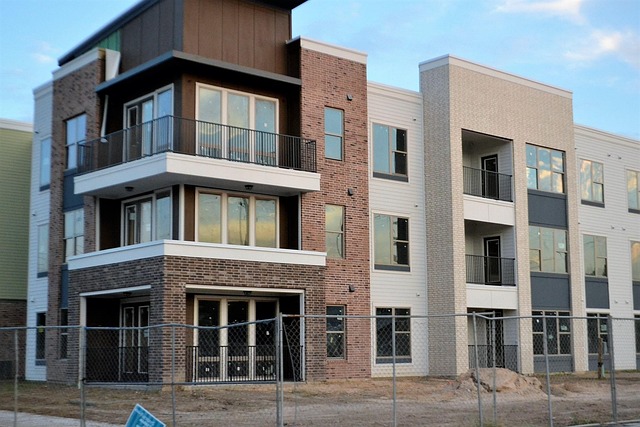
New construction projects offer a unique advantage: the opportunity to design technology alongside structure, not around it. Planning smart systems early allows for proper infrastructure, concealed wiring, and clean integration, elements that are difficult, costly, or even impossible to achieve later.
Early planning also ensures scalability. A well-designed smart home infrastructure can evolve over time, adapting to new technologies and changing lifestyles without requiring invasive renovations. From a cost perspective, integrating smart technology during construction is significantly more efficient than retrofitting systems after completion.
Key Smart Systems to Consider in New Construction
A successful smart home is not built around individual devices, but around systems that work together harmoniously. Below are the core technologies that should be considered during the planning stage of any new construction project.
Smart Lighting and Lighting Control
Lighting plays a central role in both functionality and atmosphere. Smart lighting systems allow homeowners to create scenes, automate schedules, and control lighting intensity based on time of day or activity. When planned early, lighting control can be integrated with architectural lighting, minimizing visible hardware while enhancing the overall design.
Beyond aesthetics, smart lighting improves energy efficiency and contributes to a more comfortable daily experience.
Automatic Shades and Solar Control
Automatic shades are a key element in modern smart homes, especially in new construction. They allow precise control of natural light, temperature, and privacy while protecting interior finishes and furniture from sun exposure.
When included in the design phase, shade systems can be fully concealed, preserving clean lines and architectural intent. Automated solar control also supports energy efficiency by reducing heat gain and optimizing indoor climate conditions.
Audio, Video, and Home Cinema Systems
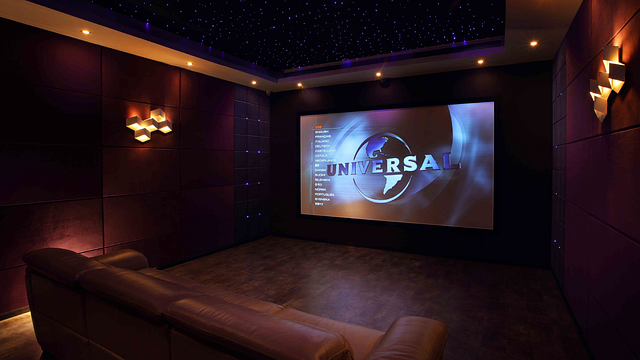
Integrated audio and video systems elevate the living experience, offering immersive entertainment without visual clutter. From whole-home audio to dedicated home cinema spaces, planning these systems early ensures optimal speaker placement, acoustic performance, and concealed equipment.
In new construction, technology can be designed to complement interior design rather than compete with it, resulting in elegant and intuitive entertainment solutions.
Collaborating with Architects and Interior Designers
Smart technology delivers its best results when it is planned collaboratively. Working alongside architects and interior designers ensures that technology supports the design vision rather than disrupting it.
Early coordination allows for seamless integration of control panels, lighting scenes, motorized elements, and concealed equipment. The goal is simple: technology that enhances the space without drawing attention to itself.
Final Thoughts: Building a Home That Works for You
Planning smart technology in new construction projects is about more than innovation—it’s about intentional design. When technology is thoughtfully integrated from day one, it becomes an invisible layer that enhances comfort, efficiency, and everyday living.
A well-planned smart home adapts to its occupants, simplifies daily routines, and maintains its value over time. The key lies in early planning, professional guidance, and a clear vision of how technology should serve the space—not the other way around.